
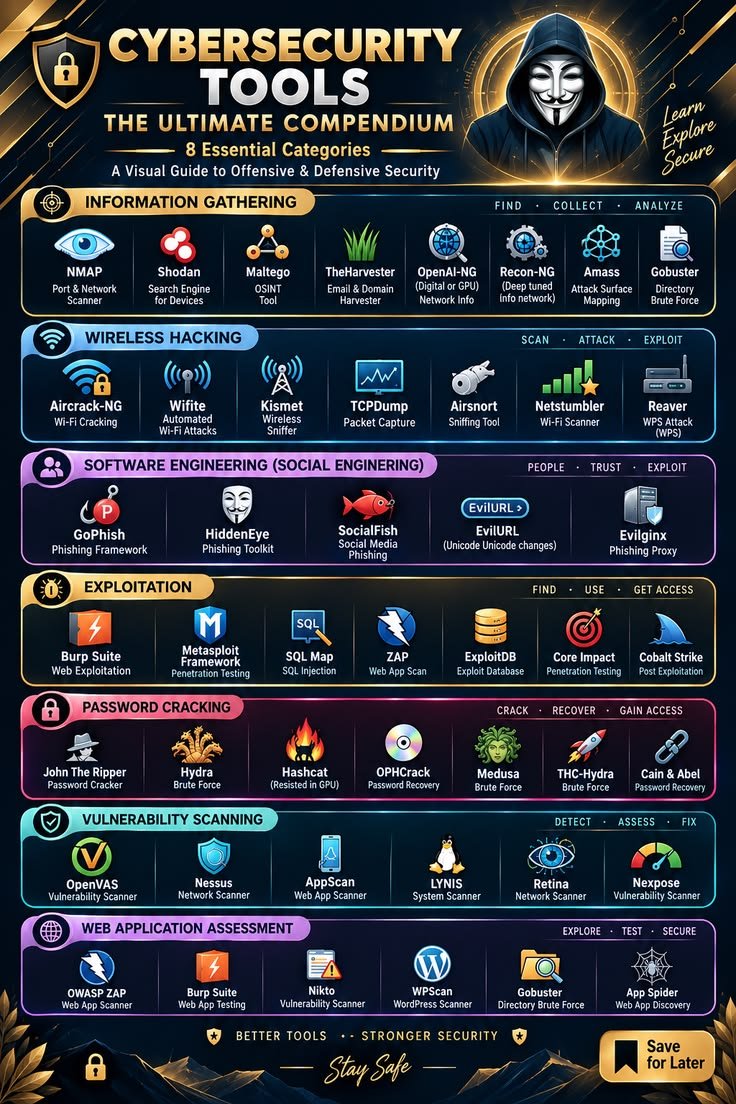
Cybersecurity is one of the most important parts of our digital world in 2026. Millions of people use computers, smartphones, websites, online banking, social media, and cloud services every day. Although technology makes life easier, it also creates security risks. Hackers, scammers, and cybercriminals constantly look for ways to steal personal information, access accounts, and damage computer systems.
Whether you are a student, business owner, technology enthusiast, or regular internet user, understanding cybersecurity is essential. It helps you protect your information, secure your devices, and stay safe online.
In this beginner-friendly guide, we will explain what cybersecurity is, how it works, its main types, common cyber threats, and practical ways to protect yourself in 2026.
What Is Cybersecurity?
Cybersecurity is the practice of protecting computers, mobile devices, networks, applications, and digital information from unauthorized access, cyberattacks, and damage.
It uses different technologies, security tools, policies, and methods to keep digital systems safe. The main purpose is to prevent cybercriminals from stealing information, accessing private accounts, or disrupting online services.
For example, when you use a strong password, enable two-factor authentication, or install a security update, you are practicing cybersecurity.
Cybersecurity is important for individuals, companies, schools, banks, hospitals, and government organizations because they all depend on digital information.
Why Is Cybersecurity Important in 2026?
In 2026, people and businesses depend more than ever on connected technology. Online payments, cloud storage, artificial intelligence, remote working, and digital communication have become part of everyday life.
However, greater connectivity also creates more opportunities for cybercrime.
According to the European Union Agency for Cybersecurity (ENISA), its 2026 Threat Landscape report identifies ransomware as one of the most impactful immediate cyber threats. The report also highlights the growing use of emerging AI models in malicious activities.
The World Economic Forum’s Global Cybersecurity Outlook 2026 also highlights artificial intelligence, geopolitical developments, and unequal cybersecurity capabilities as important factors shaping digital risks.
Cybersecurity matters because it helps:
- Protect personal and financial information.
- Prevent unauthorized access to online accounts.
- Keep computers and smartphones secure.
- Protect businesses from data breaches.
- Maintain customer trust.
- Reduce the risk of financial losses.
- Keep important websites and services available.
Without proper cybersecurity, personal information and important digital systems can become vulnerable.
Main Types of Cybersecurity
Cybersecurity includes several different areas. Each focuses on protecting a particular part of a digital environment.
1. Network Security
Network security protects computer networks from unauthorized access, suspicious activity, and cyber threats.
It uses security measures such as firewalls, access controls, and network monitoring to protect information moving between connected devices.
Businesses use network security to protect internal systems, internet connections, and important company data.
2. Information Security
Information security focuses on protecting digital and physical information from unauthorized access, alteration, or loss.
Its main goal is to maintain three important principles:
- Confidentiality: Only authorized people can access information.
- Integrity: Information remains accurate and is not changed without permission.
- Availability: Information and systems remain accessible when needed.
These principles are commonly known as the CIA triad.
3. Application Security
Application security protects software, websites, and mobile applications from security weaknesses.
Developers use secure coding practices, regular testing, software updates, and security reviews to reduce potential risks.
Application security is important because people use online applications for shopping, banking, communication, education, and entertainment.
4. Cloud Security
Cloud security protects information, applications, and services stored on cloud platforms.
Many individuals and businesses use cloud storage to save documents, photos, backups, and other important files.
Cloud security includes account protection, access permissions, data encryption, and regular security monitoring.
5. Endpoint Security
Endpoint security protects devices connected to a network, including desktop computers, laptops, tablets, and smartphones.
Antivirus software, device encryption, security updates, and access controls are common endpoint protection measures.
6. Operational Security
Operational security, also known as OpSec, focuses on protecting sensitive information through careful processes and decisions.
Organizations use it to control who can access important information and how that information is stored, shared, and managed.
Common Types of Cybersecurity Threats
Understanding common cyber threats is important because it helps users recognize suspicious activities and avoid online dangers.
1. Phishing Attacks
Phishing is a type of online scam in which criminals send fake emails, messages, or websites that appear to come from trusted organizations.
Their goal is to trick people into sharing passwords, financial details, or other personal information.
To avoid phishing, always check website addresses, verify unexpected messages, and avoid opening suspicious links.
2. Malware
Malware is malicious software designed to harm devices, steal information, or interfere with normal computer operations.
Common types include viruses, spyware, worms, and ransomware.
Installing reputable security software and downloading applications from trusted sources can reduce malware risks.
3. Ransomware
Ransomware is a type of malware that locks or encrypts important files and demands payment for their recovery.
It can affect individuals, businesses, hospitals, and government organizations.
Regular backups, software updates, and good security practices help reduce ransomware risks.
4. Password Attacks
Weak or reused passwords make online accounts easier to compromise.
Cybercriminals may use stolen credentials or automated guessing attempts to gain unauthorized access to accounts.
Using unique passwords, a password manager, and multi-factor authentication helps protect important accounts.
5. Social Engineering
Social engineering involves manipulating people into sharing confidential information or performing unsafe actions.
For example, someone may pretend to be a company employee, technical support representative, or trusted contact to gain access to private information.
Always verify unexpected requests before sharing sensitive details.
6. Distributed Denial-of-Service (DDoS) Attacks
A DDoS attack attempts to make an online service unavailable by overwhelming it with traffic from multiple sources.
These attacks can interrupt websites, online platforms, and business services.
Organizations use traffic monitoring and specialized network protection services to reduce their impact.
How Does Cybersecurity Work?
Cybersecurity works through multiple layers of protection. Instead of depending on just one security tool, organizations combine technologies and security practices to protect their systems.
Here are some common cybersecurity methods:
Firewalls: Firewalls monitor network traffic and help block unauthorized connections according to configured security rules.
Antivirus Software: Antivirus programs help identify, block, and remove known malicious software.
Encryption: Encryption converts readable information into a protected format so unauthorized people cannot easily understand it.
Multi-Factor Authentication (MFA): MFA requires additional verification when someone signs into an account. It provides extra protection even when a password is compromised.
Security Monitoring: Security monitoring helps identify unusual activity and potential security problems.
These methods work together to improve digital protection and reduce cybersecurity risks.
Best Cybersecurity Practices to Stay Safe Online
You do not need to be a computer expert to improve your online security. Following a few simple practices can make a significant difference.
1. Use Strong and Unique Passwords
Create long, unique passwords for your important accounts. Avoid using the same password across multiple websites.
A trusted password manager can help generate and store passwords securely.
2. Enable Two-Factor Authentication
Enable two-factor authentication wherever it is available, particularly for email, social media, and financial accounts.
Use an authenticator app or passkey when supported.
3. Keep Your Software Updated
Install updates for your operating system, browser, applications, and security software.
Updates often include important security fixes that protect against known vulnerabilities.
4. Avoid Suspicious Links
Do not click unexpected links or download unknown attachments.
Check the sender and website address carefully before providing personal information.
5. Back Up Important Data
Keep regular backups of important documents, photos, and other files.
Consider using secure cloud storage and an external backup drive. Make sure you can restore your files when needed.
6. Secure Your Wi-Fi Network
Use a strong Wi-Fi password and change the router’s default administrator credentials.
Keep your router firmware updated and use modern Wi-Fi security settings.
7. Use Trusted Software
Download applications from official websites or trusted app stores.
Avoid unknown programs and suspicious downloads that promise free access to paid software.
What Is the NIST Cybersecurity Framework 2.0?
The National Institute of Standards and Technology (NIST) provides a widely recognized cybersecurity framework that helps organizations manage digital risks.
NIST Cybersecurity Framework 2.0 organizes cybersecurity activities into six important functions:
- Govern: Establish cybersecurity responsibilities, policies, and risk-management strategies.
- Identify: Understand important systems, devices, data, and potential risks.
- Protect: Apply security controls to prevent or reduce cyber incidents.
- Detect: Identify suspicious activities and possible security incidents.
- Respond: Take appropriate action when a cybersecurity incident occurs.
- Recover: Restore affected systems and services after an incident.
These six functions provide a useful structure for organizations that want to improve their cybersecurity programs.
The Future of Cybersecurity in 2026 and Beyond
Cybersecurity continues to evolve as technology develops. Artificial intelligence, cloud computing, connected devices, and automation are changing how organizations protect their digital environments.
Artificial intelligence can help security teams identify unusual activity, analyze threats, and improve security monitoring. However, cybercriminals may also misuse AI to create more convincing scams and support malicious activities.
Other important areas include:
- AI Security: Protecting AI systems, models, and the information they process.
- Cloud Protection: Securing cloud applications, storage, and infrastructure.
- Zero Trust Security: Verifying users and devices before granting access.
- Identity Protection: Preventing unauthorized access to personal and business accounts.
- Data Privacy: Protecting sensitive information and managing how it is collected and used.
As digital threats change, cybersecurity practices must continue improving. Regular updates, security awareness, and effective risk management will remain important.
Conclusion
Cybersecurity is essential for protecting personal information, computers, online accounts, networks, and business systems. As more activities move online in 2026, understanding digital security has become increasingly important.
From network security and cloud protection to encryption and multi-factor authentication, different cybersecurity methods help prevent unauthorized access and reduce online risks.
You do not need advanced technical knowledge to get started. Using strong passwords, enabling two-factor authentication, updating software, avoiding suspicious links, and backing up important files are practical steps everyone can take.
Whether you are a beginner, student, or business owner, learning cybersecurity can help you build safer digital habits. Staying informed about new threats and following trusted security guidance will help you protect your digital life in the years ahead.
Frequently Asked Questions (FAQs)
1. What is cybersecurity in simple words?
Cybersecurity means protecting computers, networks, devices, and personal information from hackers, cyberattacks, and unauthorized access.
2. Why is cybersecurity important?
It protects sensitive information, prevents unauthorized account access, reduces financial risks, and keeps digital systems secure.
3. What are the five main types of cybersecurity?
Network security, information security, application security, cloud security, and endpoint security are five important areas of cybersecurity.
4. What is the biggest cybersecurity threat in 2026?
Ransomware remains a major concern, while phishing, identity attacks, and AI-assisted cyber threats are also important risks.
5. How can beginners learn cybersecurity?
Beginners can start by learning computer networking, online safety, password security, operating systems, and basic cybersecurity concepts.
References and Further Reading
For accurate and updated cybersecurity information, explore these official resources:
- NIST Cybersecurity Framework 2.0
- ENISA Threat Landscape 2026
- Global Cybersecurity Outlook 2026
- CISA Secure Our World
SEO-ready article for TechCoreHub
Article updated: November 1, 2026.
Improve depth for stronger writing
Upgrade to Plus and use increased reasoning to write compelling drafts.